

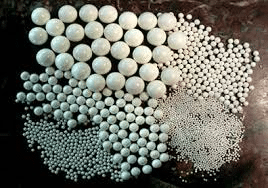
Your operation is only as good as the industrial milling media performing day in day out. And when that media wears out all too quick production suffers and costs start to pile up. Truth is extending the life of your media isn’t about taking shortcuts, its about doing the right thing – setting things up properly, keeping a close eye on it, and handling it with care. When you put into practice what’s been proven to work from the word go, you protect the quality of your output and bring down downtime right across your operation. Grinding media takes a pounding in any milling process you can think of. Excessive impact, poor sizing, or just plain wrong loading will get the best of it, and many times it starts with mixing up the media size or density. If the media is too heavy, it ends up damaging itself and the mill in the long run. If it is too light, it ends up working too hard and fracturing under the pressure. Match the media size and density to the hardness of the material, the speed of the mill, and the particle size you’re aiming for. That one simple step will go further in extending service life than trying to fix later on down the line.
In chemical and processing systems, the catalyst bed needs to stay in one piece and keep on flowing well even under stress. Temperature swings, pressure changes, and exposure to chemicals all take their toll on media over time. To extend life in this environment you need to do material compatibility testing and ease into startup cycles. Don’t be exposing the media to extreme conditions out of the blue – that causes it to crack and collapse. Take it easy and ramp up at a controlled pace to protect the structure and keep the flow even
Get the Right Media from the Start
Media life begins with choosing the right stuff. Take a close look at the material specs. Density, hardness, and surface finish all have a bearing on how fast it wears out. Dont just assume one size fits all. Even a little change in what you’re feeding into the mill or the speed at which you’re running it may require different media to get the job done. Work with suppliers who provide some guidance on application rather than just offering generic options. High quality stainless steel tumbling media will give you a long service life if you handle it right. But store it in dry conditions and avoid mixing up batches from different suppliers. Consistency is key when longevity is on your mind.
Get the selection right and you avoid early failure.
Control Operating Conditions
Stable operating conditions are vital for looking after the media.
You Should Make Inspection & Rotating the Media a Regular Habit
Checking the media should be a part of your daily routine maintenance. Take a look at the shape, size, and surface condition on a weekly basis or if you’re using it a lot more often, do it biweekly. Rotate the media positions to spread out the wear and tear evenly. Don’t leave any broken bits in there, remove them right away. If you let damaged media stay in there it can cause the whole batch to fail a lot faster. Grinding media takes a beating in any milling process, so be careful with impact, size and loading. You’ll often see premature wear from having the wrong size or density media. If the media is too heavy, it will damage both itself and the mill and if it’s too light it will overwork and crack. Match the media up with the material hardness, mill speed and what size particle you’re after. It’s a pretty simple step but it makes a huge difference to how long the media lasts.
Get the Cleanliness Right
Build up of residue will wear out the media a lot faster. Clean your mills and tanks on a regular basis. Get rid of any accumulated fines and contaminants. If you’re using steel media make sure to dry it thoroughly after cleaning to prevent any chemical corrosion. Keeping a clean environment will reduce the amount of abrasive contact and chemical attack.
Train Your Operators to Catch Problems Early
Your operators should be the ones to spot the issues first. Give them the training and they’ll be able to pick up on any changes in sound, vibration or output. It’s often a small change that can signal the media is starting to degrade. Encourage them to speak up right away. The sooner you respond the less damage is done.
Keep an Eye on the Performance Data
It’s often neglect rather than a material flaw that causes tumbling media to fail early. Your operators might be loading too much or letting too many fines build up. Overloading increases friction and heat, while fines just add to the abrasive dust and accelerate the breakdown. Get your operators in the habit of regular screening to remove worn fragments before they contaminate the batch. A clean media environment will last longer and perform more consistently. Keep track of media lifespan through records, replacement intervals and failure causes. This kind of data is better than guesswork and will help you refine your selection and maintenance schedules. If a batch fails early, find out why. Over time this will help you improve.
Have a Plan for Spare/replacement options Before Failure
Waiting till the media fails will cost you more in the long run than planned replacement. Set some expectations for the lifespan of the media and replace it before its performance drops. Scheduled replacement reduces emergency downtime and protects your downstream equipment. Predictable maintenance is the key to stable production.
Conclusion
Extending media life is all about discipline and routine. Select it carefully, run it the same way every time, inspect it often and train your team. By doing all this you’ll be protecting your investment and keeping production moving smoothly. When media lasts longer, your whole process just runs better and more efficiently.